B2C, B2B2C and D2C: a guide to the models reshaping the market
The differences between B2C, B2B2C and D2C, their advantages and challenges, and the role of technology (AI, Chatbots, Blazor) in building direct customer relationships. Practical guidance on how to choose the right model.
Tomasz Soroka
B2C and B2B2C at a glance
In a world of rapid digital transformation, choosing the right sales model determines the pace of growth. B2C (Business-to-Consumer) is based on direct sales to the end user — from product creation to delivery to the customer, without intermediaries. It is a simple, scalable model, popular in retail, technology and services.
B2B2C (Business-to-Business-to-Consumer) adds a business partner to the sales chain. It combines elements of B2B and B2C, enabling companies to leverage a partner’s existing customer base and offer complementary products and services. The synergy between both sides increases reach and value for the consumer.
The boundaries between models are becoming blurred, while pressure to control the entire customer journey is growing. This is paving the way for D2C (Direct-to-Consumer), which focuses on direct brand-to-consumer contact and full control over the user experience.
Pros and cons: what you gain, what you risk
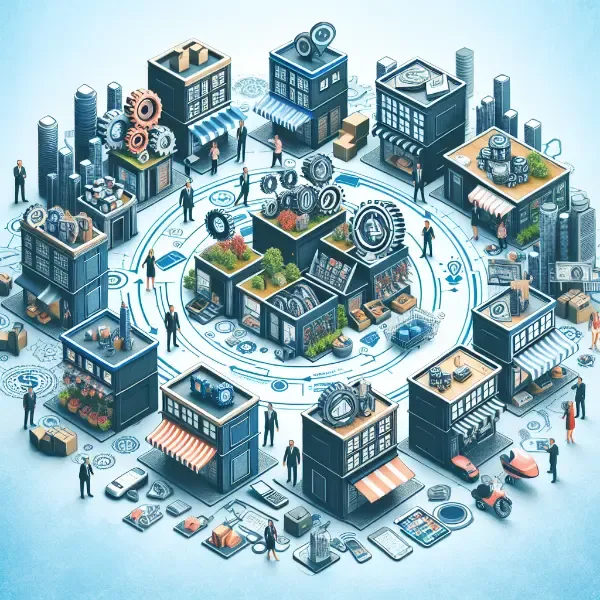
The strength of B2C lies in unfiltered access to the customer and full control over the customer experience — from precise targeting to personalised service. This is evident, for example, in the growing role of mobile apps, which enable continuous, direct interaction with users and help build loyalty.
The downside of B2C is the high bar it sets: an in-depth understanding of consumer behaviour, a fast pace of innovation, testing product-market fit, and constant pressure to deliver effective social media marketing.
B2B2C excels in scale and reach — it uses the strength and credibility of partners to reach a broad audience more quickly. Excellent examples include SaaS startups that integrate seamlessly with business ecosystems, delivering additional value to end users.
The challenges of B2B2C include operational complexity and the need to align the goals of multiple parties. Robust CRM strategies, brand consistency and regulatory compliance across different markets become essential. There is also a real risk of brand identity dilution if partner relationships are not clearly defined.
D2C: the direct relationship that is reshaping the balance of power
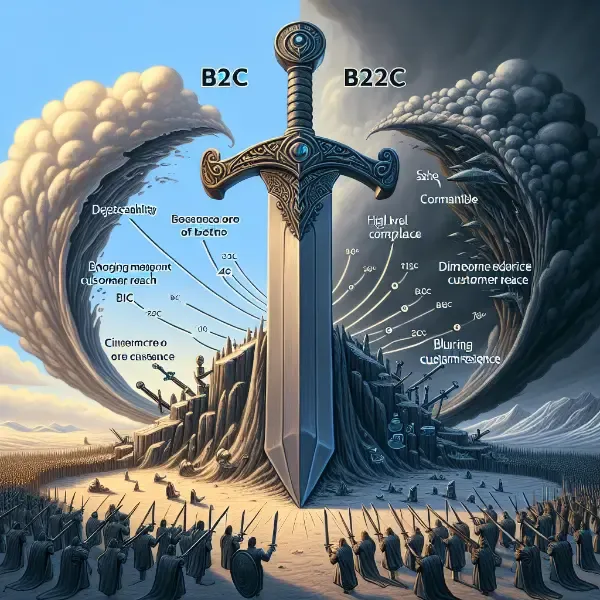
D2C removes intermediaries and creates a direct producer-to-consumer channel. This gives brands greater control over every stage of the customer journey — from first contact, through purchase, to after-sales support — as well as access to richer data and faster feedback.
Driven by technological progress, D2C makes it possible to build unique brand narratives and present a value proposition without it being “diluted” by third parties. It is growing strongly in sectors such as fashion, beauty and consumer electronics, where personalisation and speed of launching new products are critical.
More and more B2C and B2B2C companies are implementing D2C elements to increase margins, shorten time to market and deepen customer relationships. This is a strategic move, not a passing trend.
Technology as a D2C catalyst
E-commerce and social media have enabled brands to bypass traditional retail channels and reach audiences directly. Data analytics and personalised marketing help predict customer behaviour more accurately and deliver the right content at the right time.
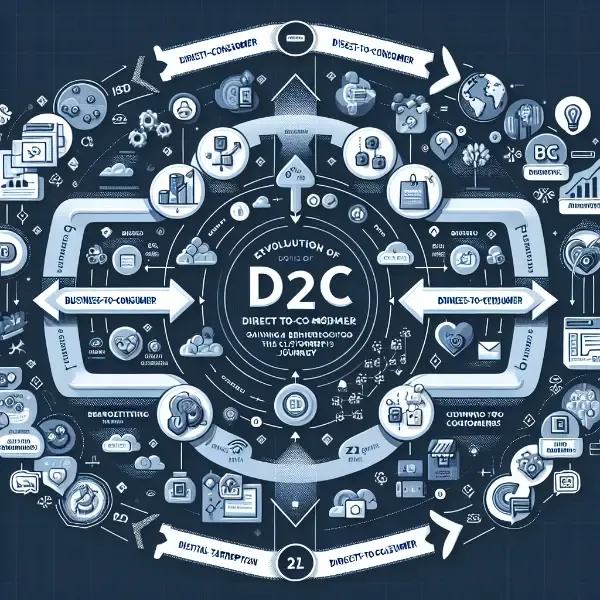
AI and Chatbots have revolutionised customer interactions: real-time recommendations, proactive support and consistent online experiences have become the new standard. This is an advantage that allows smaller brands to compete with giants through rapid innovation.
Faster product development is also supported by the rapid creation of MVPs — for example, using Blazor — which shortens implementation time, reduces costs and makes the test–learn–iterate approach easier to adopt.
The result? Barriers to entry have fallen, and the pace of competition has increased. The winners are brands that combine technological agility, an excellent customer experience and smart use of data.
How to choose the right model and what comes next
- Map your advantage: direct access to customers (B2C/D2C) or scaling through partners (B2B2C). - Define which stages of the customer journey you want to control and how this will translate into margin and data. - Invest in the foundations: data, analytics, CRM and marketing automation. - Build MVPs quickly and cost-effectively (e.g. with Blazor), test with real users and iterate. - In B2B2C, establish clear rules for collaboration, data sharing and brand governance. - Ensure regulatory compliance in partners’ markets and consistency of communication. - Monitor key metrics: CAC, LTV, retention, NPS and the quality of after-sales support.
Regardless of the model you choose, the common denominator of success is: a deep understanding of the customer, fast decision-making cycles and technology that supports personalisation at scale. These are what determine growth pace and business resilience today.
Do you need technology support?
Let’s talk about your project — from discovery to implementation.
Book a consultationWould you like to know more?
Explore other articles or let’s discuss your project
All articles Let’s design your AI application